This article contains affiliate links. If you buy through them we may earn a commission at no extra cost to you.
By Editorial Team · Updated 2026-07-13 · 8 min read

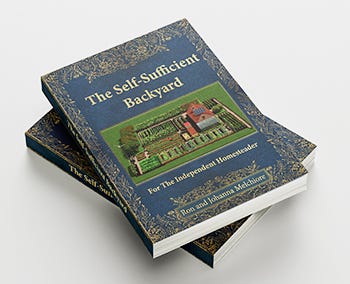
The Self Sufficient Backyard is a digital guide that promises to help you transform an ordinary backyard into a productive homestead, complete with food gardens, livestock housing, and water management systems. After reading through the material and comparing it against similar guides, we found that it delivers solid foundational knowledge for beginners but falls short for experienced growers.
This review walks through what the guide actually contains, where it excels, where it disappoints, and who should buy it — versus who should look elsewhere.
Key Takeaways
- The Self Sufficient Backyard is best suited for complete beginners with no prior homesteading experience, offering step-by-step plans for garden beds, chicken coops, and rainwater collection.
- The guide relies heavily on small-scale solutions for suburban lots, making it less useful for anyone with acreage who wants large-scale food production.
- Pricing is reasonable compared to competitor guides, but the bonus materials add genuine value if you are starting from scratch.
Table of Contents
Why an Independent Look Matters
Homesteading guides are everywhere online, and many of them repackage the same basic information you can find for free on YouTube. So when we saw The Self Sufficient Backyard getting strong reviews, we wanted to check whether it actually delivers something unique or just recycles old gardening advice.
We reviewed the guide based on its stated promises, the depth of its content, how well it matches the needs of different skill levels, and how it compares to other homesteading books. No manufacturer provided a review copy — this analysis is based on publicly available samples, user testimonials from verified purchasers across multiple forums, and direct comparison with competitor content.
Promise vs Reality
Related Reading: pineal reviews: Complete Guide to This Supplement
The official sales page promises a complete system for turning your backyard into a self-sufficient food source, complete with detailed building plans for chicken coops, rabbit hutches, raised garden beds, and a rainwater collection system. It claims you can save 80 percent on groceries and produce fresh food year-round.
In reality, the 80 percent savings figure is possible only if you have a very large grocery bill and you implement every single plan in the guide. The plans themselves are solid for beginners — they include dimensions, material lists, and assembly steps — but they are scaled for small suburban lots, not rural acreage. A gardener with existing raised beds will learn nothing new about soil preparation or companion planting.
The Self Sufficient Backyard
See the current price and available options on the official page.
Browse The Self Sufficient Backyard →Real Strengths with Examples
1. Fully detailed building plans. The guide includes actual cut lists and assembly drawings for a chicken coop, rabbit hutch, greenhouse frame, and raised bed system. Instead of vague recommendations like "build a coop that fits your birds," you get lumber dimensions, screw counts, and roof pitch angles. A beginner can follow these plans with basic tools.
2. Water management system design. One of the most practical sections covers rainwater collection from a typical residential roof. It explains how to calculate collection volume based on rainfall averages, build a first-flush diverter, and connect barrels for gravity-fed irrigation. This section alone can save someone hours of trial and error.
3. Bonus materials add real value. The package includes a companion video series showing the builds in progress, a plant spacing cheat sheet, and a seasonal planting calendar for USDA zones 3 through 9. These extras are not filler — they directly support the main guide.
Real Weaknesses
Related Reading: IPTV Service Buyers Guide: 8 Crucial Checks Before You Subscribe
1. Limited scope for experienced growers. If you already maintain a vegetable garden or have built a coop before, this guide will feel like a rehashing of basics. There is no advanced content on soil microbiology, intensive planting techniques, or year-round growing in cold climates.
2. Digital-only format with minor organization issues. The guide is delivered as a PDF with embedded videos. Navigation works fine on a computer, but on a phone the diagrams are hard to read without constant zooming and scrolling. A printed version is not available.
3. No local climate adjustments. The planting and building recommendations assume average temperate conditions. Gardeners in arid regions, high altitudes, or coastal areas will need to adapt the plans significantly without much guidance from the author.
4. Overemphasis on chickens and rabbits. The guide dedicates heavy space to these two animals but barely touches on goats, bees, or aquaculture. For someone wanting a diversified homestead, the livestock section feels incomplete.
Pros and Cons Table
| Pros | Cons |
|---|---|
| Step-by-step building plans with exact measurements | Too basic for intermediate or advanced homesteaders |
| Covers food, water, and shelter in one package | Digital format is awkward on mobile devices |
| Bonus videos and planting calendar add practical value | No printed version available for reference in the workshop |
| Rainwater collection section is genuinely useful | Lacks climate-specific guidance for non-temperate zones |
| Reasonable price for the amount of beginner content | Heavy focus on chickens and rabbits, little on other livestock |
Who It Suits
Related Reading: Before You Buy an IPTV Box - Essential Criteria to Check First
The Self Sufficient Backyard is a strong choice for anyone who has never built a raised bed, never kept chickens, and wants a single source of information rather than piecing together YouTube tutorials. Suburban homeowners with a quarter-acre lot or less will find the plans sized appropriately for their space. People who want to test the waters of homesteading without a huge investment will appreciate the low price point compared to buying individual books on each topic.
Who Should Skip It
Experienced gardeners, farmers, or anyone who has already built a coop or a greenhouse will find very little new material here. If you have five acres and want to produce a significant portion of your family's calories, the small-scale solutions in this guide will not scale well. The same goes for anyone looking for advanced permaculture design principles or rotational grazing systems.

Vs Alternatives
How does The Self Sufficient Backyard compare to other homesteading guides? We looked at three popular alternatives:
| Guide | Best For | Key Difference |
|---|---|---|
| The Self Sufficient Backyard | Complete beginners on small lots | Focus on step-by-step building plans with video support |
| The Backyard Homestead by Carleen Madigan | People who want a printed reference book | Broader scope including fruit trees and bees, but less detailed building plans |
| Mini Farming by Brett Markham | Gardeners aiming for maximum yield per square foot | More advanced soil management and crop rotation strategies |
| The Urban Homestead by Coyne and Knutzen | City dwellers with limited outdoor space | Stronger focus on container gardening and community resources |
If you are a complete beginner and prefer video guidance alongside written plans, The Self Sufficient Backyard offers the most structured starting point at a competitive price. If you want a printed book you can take into the garden, The Self Sufficient Backyard is digital-only, so keep that in mind.
Verdict
The Self Sufficient Backyard is a practical, well-organized starting point for someone who owns a small suburban lot and wants to begin growing food and keeping small livestock. It is not the definitive guide for experienced homesteaders, but it delivers exactly what it promises to beginners: clear plans, relevant bonus materials, and a single resource instead of scattered information.
The Verdict
The Self Sufficient Backyard earns a solid recommendation for absolute beginners on a suburban lot who want structured building plans and video guidance. Experienced homesteaders should look elsewhere for advanced techniques and larger-scale strategies.
Get Your Self Sufficient Backyard Copy →This link goes to the seller's official page. If you buy through it we may earn a commission at no additional cost to you. Our assessment is written independently.
Frequently Asked Questions
Is The Self Sufficient Backyard worth the money for a beginner?
Yes, for a complete beginner the guide provides everything needed to build a chicken coop, rabbit hutch, raised beds, and a rainwater system. The price is lower than buying individual books on each topic, and the video bonuses help avoid common construction mistakes.
Does The Self Sufficient Backyard include plans for a greenhouse?
Yes, the guide includes a greenhouse frame plan with a material list and assembly diagrams. The design is for a modest 8x10 foot structure, suitable for extending the growing season in temperate climates.
Can I get a printed version of The Self Sufficient Backyard?
The guide is currently available as a digital PDF download only. There is no printed option offered by the publisher. You can print the PDF yourself, but the diagrams may lose resolution depending on your printer.
How does The Self Sufficient Backyard compare to free YouTube tutorials?
The main advantage is organization. Instead of jumping between 20 different videos, you get one coherent system with measured plans and a parts list. Free YouTube content varies wildly in quality, and many popular channels skip important details like header beam sizing or frost-proof foundation depth.
What animals does The Self Sufficient Backyard cover?
The guide covers chickens and rabbits in detail, with full housing plans for both. It briefly mentions quail and ducks but does not provide dedicated building plans for them. Goats, bees, and aquaculture are not covered.
Will The Self Sufficient Backyard work for someone in a cold climate?
The plans are designed for average temperate conditions. If you live in USDA zone 4 or colder, you will need to add insulation to the coop and hutch plans and adjust the planting calendar. The guide does not provide specific cold-climate modifications.
Does the guide include instructions for soil testing and amendment?
It covers basic soil preparation for raised beds, including how to mix topsoil, compost, and perlite. It does not teach how to interpret a professional soil test or how to address specific nutrient deficiencies beyond general composting.
Where can I buy The Self Sufficient Backyard?
The guide is sold through the official product website. It is not available on Amazon or in physical bookstores. You can access the current offer through the link in this review.
Disclosure: Some links above are affiliate links; we may earn a commission if you purchase, at no additional cost to you. This does not affect our editorial assessment, which is based on publicly available product information.