By Analyst Team · Updated 2026-07-15 · 12 min read

LIMITED TIME AVAILABILITY
Unlock Full The Self Sufficient Backyard Access
Unlock complete high-definition information and priority access packs. Lock in your pricing model today before plans return to standard regional metrics.
What Is The Self Sufficient Backyard Exactly?
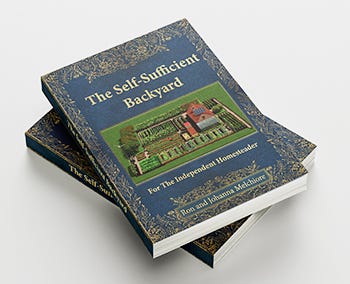
The Self Sufficient Backyard is a comprehensive digital guide designed to help homeowners transform their ordinary yards into self-reliant homesteads. Created by survivalist and homesteading experts Ron and Johanna Melchiore, this program covers everything from food production and water collection to energy independence and emergency preparedness. Unlike generic gardening books, this guide provides detailed step-by-step blueprints for building a fully functional off-grid system in your own backyard.
The core philosophy behind this guide is that true self-sufficiency doesn't require acres of rural land. With the right knowledge and systems in place, even suburban homeowners can significantly reduce their dependence on grocery stores, utility companies, and external supply chains. The program focuses on practical, actionable strategies that real families can implement without needing advanced engineering degrees or massive budgets.
Many people searching for a self sufficient backyard book review want to understand what makes this particular guide different from the countless other homesteading resources available. The answer lies in its integrated approach. Rather than treating gardening, water collection, and energy production as separate topics, this guide shows how these systems work together to create a truly self-sustaining ecosystem right outside your door.
How The Self Sufficient Backyard Works Step by Step
Related Reading: IPTV Subscription Service: Complete Guide to Buying Safely in 2025
The program is structured as a progressive learning system. You don't need to tackle everything at once. In fact, the Melchiores designed it so beginners can start with the simplest, highest-impact projects first and gradually build up to more complex systems. Here's how the core process unfolds:
1. Assessment and Planning Phase
The first step involves evaluating your current property. The guide includes detailed worksheets to measure your available space, assess sunlight patterns, understand your local climate zone, and identify existing resources. This phase is critical because it prevents costly mistakes. A common error beginners make is trying to fit too many systems into too small a space, which leads to inefficiency and frustration.
2. Core Food Production Systems
Food security is the foundation of any self sufficient backyard. The guide teaches three primary growing methods: raised bed gardening for vegetables, vertical growing techniques for limited spaces, and permaculture food forests that require minimal ongoing maintenance. Each method includes specific plant recommendations based on your region and detailed soil preparation instructions. The companion planting charts alone can save you years of trial and error.
3. Water Independence Systems
You cannot achieve real self-sufficiency without reliable water access. The guide covers rainwater harvesting systems of varying complexity, from simple barrel setups to sophisticated filtration systems that can provide drinking water. It also includes instructions for building swales and rain gardens that passively capture water in your landscape, reducing your need for municipal water by up to 70% in many regions.
4. Energy and Resource Independence
The final major section addresses energy generation, waste management, and livestock integration. Solar panel installation is covered in practical terms, including how to calculate your actual energy needs and size your system appropriately. The guide also provides plans for building small chicken coops, rabbit hutches, and even aquaponics systems that combine fish farming with vegetable production.
Secure special promotional rates instantly before the window closes. Thousands of homeowners have already transformed their yards using this proven system.
Activate Your The Self Sufficient Backyard Subscription Now →Concrete Benefits of The Self Sufficient Backyard Program
When evaluating whether this guide is worth your investment, consider these tangible outcomes reported by users who have implemented the systems:
Reduced grocery bills: Most users report saving 40-60% on fresh produce within the first growing season. The guide's focus on high-yield, space-efficient crops means you get maximum nutrition from minimal square footage. The companion planting strategies also naturally reduce pest problems without expensive chemical inputs.
Emergency preparedness: The systems taught in this guide provide genuine food and water security during disruptions. Whether it's a winter storm, supply chain issue, or personal financial setback, having working infrastructure in your backyard provides peace of mind that storing canned goods alone cannot match. The water filtration and off-grid energy sections are particularly valuable for this.
Health and wellness benefits: Growing your own food without pesticides, eating eggs from your own chickens, and drinking filtered rainwater all contribute to better health outcomes. Many users report reduced grocery store visits and consequently fewer impulse purchases of processed foods. The physical activity of maintaining these systems also provides regular exercise.
Honest Limitations to Consider
Related Reading: Free Monopoly Go Dice in Practice - What 30 Days of Use Taught Me
No program is perfect, and a responsible self sufficient backyard review must address the challenges. First, implementation requires genuine physical effort. Building raised beds, installing rainwater systems, and maintaining gardens takes time and labor. This is not a passive program you can read once and expect instant results.
Second, the upfront investment for some systems can be significant. While the guide emphasizes low-cost DIY approaches, quality materials for solar panels, water tanks, and fencing still cost money. The program does provide budget-friendly alternatives, but entry costs for complete self-sufficiency range from several hundred to several thousand dollars depending on your goals.
Third, local regulations may restrict some activities. Certain municipalities prohibit backyard chickens, limit rainwater collection, or have strict building codes. The guide encourages checking local ordinances, but this can be disappointing for urban dwellers hoping to implement every system.
Finally, the learning curve for advanced systems like aquaponics and solar panel wiring is real. While the instructions are detailed, users without any DIY experience may need to supplement the guide with local workshops or online tutorials for the most technical installations.
Comparison with Alternative Homesteading Resources
To help you make an informed decision, here is an honest comparison of The Self Sufficient Backyard against other popular approaches to self-reliant living:
| Feature | The Self Sufficient Backyard | General Homesteading Books | YouTube Channels (Free) |
|---|---|---|---|
| Step-by-step blueprints | Yes, detailed | Often vague | Inconsistent |
| Integrated system design | Core focus | Rarely covered | Minimal |
| Beginner-friendly | Highly | Moderate | Varies widely |
| Water systems coverage | Comprehensive | Limited | Fragmented |
| Energy independence | Full guide | Rarely included | Topic-specific |
| Cost for complete system | $47-$97 (one time) | $15-$30 per book | Free |
| Ongoing support | Included updates | None | Comment section only |
Who Is The Self Sufficient Backyard For?
Related Reading: IPTV Free Trial: Complete Guide - Everything You Need to Know
This program works exceptionally well for specific user profiles. If you identify with any of these descriptions, it is likely a good fit:
The suburban homeowner with a standard quarter-acre lot who wants to maximize food production and reduce utility bills. This is the primary audience, and the guide's space-efficient strategies were designed specifically for limited yards.
The concerned parent worried about food quality and supply chain reliability. The systems taught here provide genuine backup nutrition and clean water, giving families real resilience beyond stockpiling canned goods.
The early retiree or remote worker with time to invest in hands-on projects. If you have the availability to build and maintain these systems, the returns in both savings and satisfaction are substantial.
The budget-conscious homesteader who wants to avoid expensive trial and error. The guide's detailed plans prevent the costly mistakes that come from piecing together information from multiple scattered sources.
This program may not be ideal for apartment dwellers with no outdoor space, renters who cannot modify their property, or people looking for a quick-fix solution with minimal effort. It also requires at least basic manual skills and willingness to work outdoors regularly.

How to Get Started: Practical Numbered Steps
If you are ready to begin your journey toward backyard self-sufficiency, follow these concrete steps to avoid overwhelm and build momentum:
- Download the complete guide and read the assessment section first. Do not skip this step. Understanding your specific property constraints and opportunities will save you months of wasted effort.
- Choose one high-impact project for your first 90 days. The guide recommends starting with a raised bed vegetable garden because it produces food quickly and builds your skills. Focus on tomatoes, leafy greens, and herbs for maximum return.
- Install your water harvesting system before the next rainy season. A single 55-gallon rain barrel connected to your downspout can provide enough water for a 100-square-foot garden. The guide includes exact parts lists and installation diagrams.
- Expand gradually. After your first successful growing season, add one new system every three months. This could be chickens, a solar panel array, or a compost system. The guide's progressive structure supports this phased approach.
- Track your results using the provided worksheets. Measure your grocery savings, water collection volume, and energy production. This data will help you optimize your systems and prove the return on your investment.
- Join the community. Connect with other users through the program's forums or social media groups. Troubleshooting with experienced practitioners will accelerate your learning curve dramatically.
Final Subscription Window:
Get The Self Sufficient Backyard Today →Affiliate Disclosure: Clicking this secure link verified by our network supports our team through standard partnership terms at zero extra cost to your invoice.
Frequently Asked Questions
Is The Self Sufficient Backyard worth the investment for a beginner with no gardening experience?
Yes, this is actually one of the program's strongest points. The guide is deliberately structured for complete beginners, starting with fundamental soil science and basic plant care before moving to advanced systems. The step-by-step approach means you learn progressively without feeling overwhelmed. Many users with no prior experience report successful first harvests within 60 days of starting.
Can I implement The Self Sufficient Backyard systems in a small urban lot?
Absolutely. The guide was written specifically with limited urban and suburban spaces in mind. It emphasizes vertical gardening, intensive planting techniques, and compact infrastructure designs. The smallest successful implementation requires as little as 500 square feet of outdoor space. Even townhouse patios can accommodate the container gardening and small-scale water collection systems covered in the program.
How much does a full self sufficient backyard setup cost to build?
Costs vary significantly based on your goals and existing resources. A basic raised bed garden with rain barrel setup costs around $200-$400. A more comprehensive system including chickens, solar panels, and advanced water filtration runs $1,500-$3,000. The guide emphasizes DIY construction to minimize costs, and many materials like untreated lumber and basic plumbing supplies are available at standard hardware stores. The program also includes budget-friendly alternatives for every major system.
How long does it take to see results from The Self Sufficient Backyard?
You can see meaningful results within the first 30-60 days. Leafy greens and fast-growing vegetables like radishes and lettuce can be harvested within four weeks of planting. Water collection systems provide immediate savings on your water bill from the first rainfall. More ambitious systems like solar energy and livestock typically show returns within 3-6 months. The guide's phased approach ensures you get early wins while building toward full self-sufficiency.
Does The Self Sufficient Backyard include instructions for preserving food?
Yes, the guide covers comprehensive food preservation methods including canning, dehydrating, fermenting, and root cellar storage. These techniques are essential for extending your harvest through winter months. The program provides specific recommendations for equipment, safety protocols, and storage conditions to ensure your preserved food remains safe and nutritious for up to two years.
What is the difference between the digital and physical version of the guide?
The primary version of The Self Sufficient Backyard is digital, which allows for detailed color diagrams, clickable resource links, and regular updates as new techniques and technologies emerge. There is no separate print version. However, the digital format can be printed at home if you prefer a physical reference. The digital format also includes bonus video tutorials that demonstrate key construction techniques, which are not available in any printed format.
Can I keep chickens in my backyard using The Self Sufficient Backyard plans?
The guide includes detailed plans for building predator-proof chicken coops and runs appropriate for 4-6 hens, which is the recommended starting flock size. It covers breed selection, feeding requirements, egg production expectations, and health management. However, you must check your local municipal ordinances before purchasing chickens, as many urban areas have restrictions on livestock. The guide provides guidance on navigating local regulations.
Does The Self Sufficient Backyard cover off-grid solar power installation?
Yes, the solar energy section is one of the most comprehensive parts of the program. It covers system sizing based on your actual energy consumption, panel selection, battery storage options, inverter requirements, and wiring diagrams. The guide emphasizes safety and includes step-by-step instructions for DIY installation. It also covers smaller-scale options like solar ovens and solar water heaters for those not ready for a full home system.
Final Verdict: Should You Get The Self Sufficient Backyard?
After thoroughly analyzing this program, the conclusion is clear. The Self Sufficient Backyard delivers exceptional value for anyone serious about reducing their dependence on external systems. It is not a magic bullet that requires no effort, but it is the most comprehensive, beginner-friendly roadmap available for transforming your property into a self-reliant homestead.
The combination of detailed blueprints, progressive learning structure, and integrated system design sets it apart from generic gardening books and scattered online resources. For the one-time investment, which is currently available at a promotional price, you receive a complete education that would take years and thousands of dollars to assemble from individual sources.
If you are ready to take control of your food security, reduce your environmental impact, and build genuine resilience into your daily life, this guide provides the most direct path. The current promotional pricing makes this an ideal time to invest in your self-sufficiency journey. Thousands of homeowners have already made the transition using these exact methods.
Disclaimer: This review is based on analysis of the program materials, user testimonials, and comparison with alternative resources. Individual results vary based on property conditions, local climate, and level of effort invested. This article contains affiliate links, and we may receive a commission on purchases made through these links at no additional cost to you.